
Sustainable Sheep Farming in Norway: A Natural Approach in Eidfjord
From Eidfjord: Life on a Norwegian Smallholding
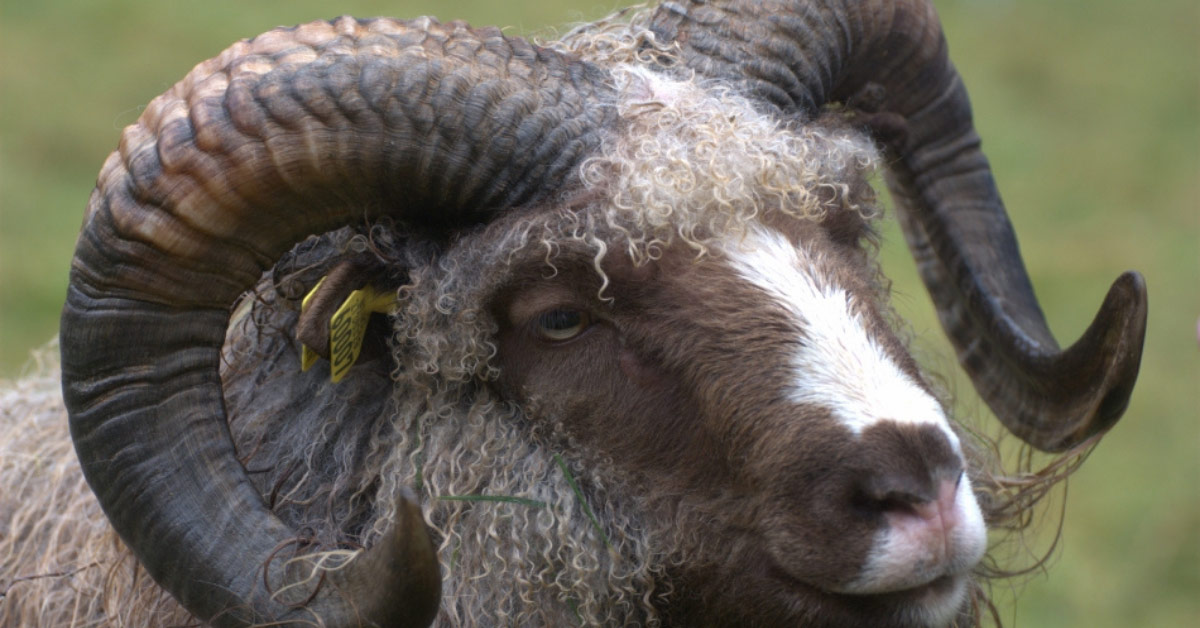
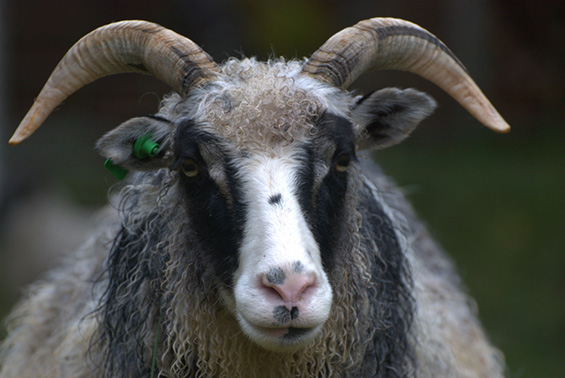
Nestled at the edge of Eidfjord, Norway—framed by steep cliffs and thundering waterfalls—my wife and I run a small organic farm. In winter, it’s another world entirely. Snow covers everything, and our hardy flock of ancient Viking sheep, the Gammelnorsk Spælsau, continue their quiet, resilient existence.
This breed dates back to 800–1000 AD. They were here when the Vikings ruled the seas. Tough, resourceful, and well-adapted to Norway’s harsh terrain, they thrive where others wouldn’t. After all, only 3% of Norway’s land is farmable. The rest is rock, steep slopes, and stunning views.
"We don't use any antibiotics, we just use homeopathy, we use other natural products to keep them healthy. And oils like neem oil against fly strike, so we treat them with neem oil once or twice during the grazing season."
Eric Kuijf
Natural Health on the Land
We raise our animals naturally. No antibiotics. No synthetic treatments. Instead, we use:
- Homeopathy – from preventative care to dealing with minor ailments, it’s a quiet, guiding force on our holding.
- Neem oil against fly strike (applied once or twice each grazing season)
- Medicinal herbs and spices for natural worming
- Other natural products that align with our commitment to holistic animal health
Seasonal Crafts and Tasks
Sheep have always been important, both for their meat and wool, and during the latter years, for keeping the culture landscape open. In Norway, sheep normally only graze outside during late spring, summer and early autumn. The other part of the year they are, on most farms, kept inside (for six months at least) for the winter.
It is impossible to graze due to huge amounts of snow. Our sheep are also on the smallholding, but mainly outside, with the possibility to retreat in a shelter. But during these winter months they have to be fed.
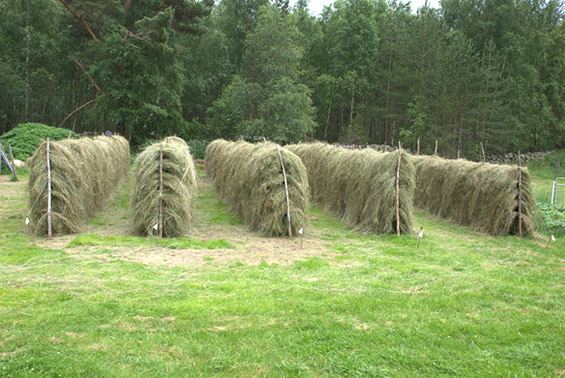
So, in short, our summer goes in making winter fodder, hay in our case. We have an organic smallholding and do everything by hand, no big tractor. We dry grass on the ground if weather permits, if not we hang the grass to dry. We bale our hay with a DIY hand hay baler. It is a lifestyle, as we say.
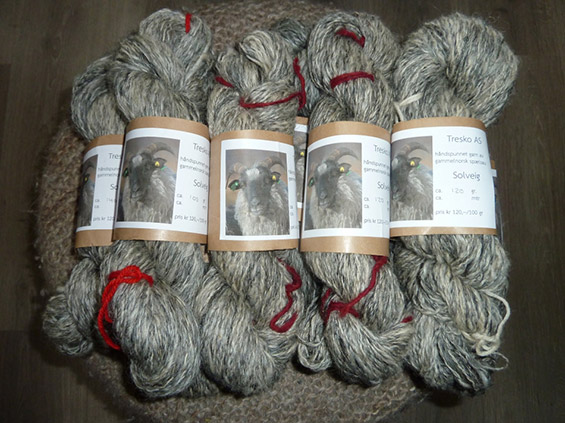
My wife shears the sheep each year using traditional hand shears. .And during the long dark winter, we try to card and spin our wool ourselves (this winter we are going to give peg loom weaving a try).
It’s a long, quiet season, but full of craft and intention.
A Taste of Norwegian Tradition
Meat from sheep is very popular, especially in the autumn. Here the sheep are going to the butcher around the end of September. We use å small farm abattoir, only half an hour driving from our place. The big abattoirs in Norway are centralizing all the time (to become more cost effective they say). But for the livestock the distances to transport them become larger and larger. And this we don’t like. So hence the small local abattoir. We drive the lambs up ourselves (worst day of the year in a sheep farmer’s life). We pick up the carcasses a few days later and deliver it ourselves to our local customers. One of the hotels here in town always buys a lot, and then we have several private customers. So we deliver the whole carcass, and people part it themselves and make products (this is still a deep rooted tradition in small Norwegian villages).
Here, meat isn’t just food—it’s tradition:
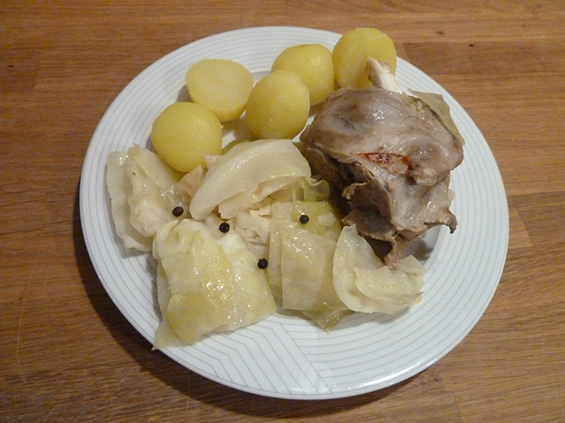
- Fårikål (which means “sheep in cabbage”): During autumn this is a popular dish. You boil lamb meat together with cabbage, pepper, and potatoes.
- Fenalår: A tradition of salting (and if wished smoking) and drying the hind leg lambs.
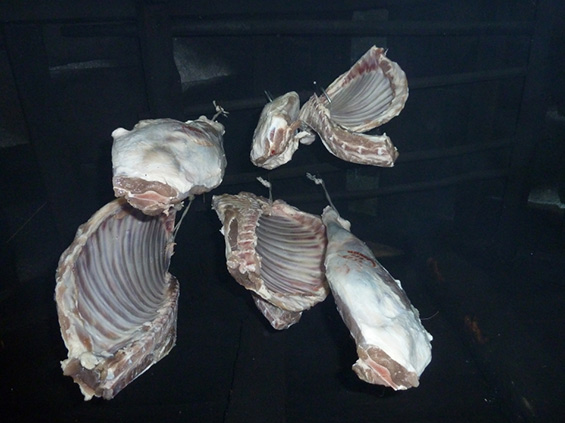
- Pinnekjøtt: :THE traditional Christmas Dinner in the west of Norway—These are the ribs of the lambs, salted and dried or smoked and dried. Before dinner, you rinse them well, and then you steam them in a big pan, where the Pinner (ribs) are lying on a small bed of birch twigs, with water added to the top of the twigs. The simmers (steams) for about two to three hours.
Nothing goes to waste – the sheepskins are taken care of also. They go directly from the abattoir to a factory where they are processed for us to sell locally.
A Sustainable Way of Life
This way of life isn’t about convenience. It’s about integrity, sustainability, and respecting the land and animals. We hope this little glimpse into our corner of Norway might inspire others walking similar paths.
Warm wishes from Eidfjord,
Eric