
Herbal Medicine on the Farm: A Practical Introduction for Livestock Health
By Kate Scott BSc, medical herbalist, shepherdess & agricultural consultant
With a heritage rooted in generations of herbalists and drovers, I’ve always had an eye for what grows in the hedgerows. As a farmer, agricultural consultant, and herbal medicine practitioner, I blend tradition with science to explore how plants can support animal health naturally.
Alongside vet Chris Aukland, I recently delivered my first webinar for Whole Health Agriculture (WHAg) — and it sold out! Farmers from all walks joined to learn more about using herbal medicine in regenerative farming and holistic animal health. To whet your appetite for what’s to come, here’s a short introduction to the world of herbal medicine as it applies to livestock.
Why Herbal Medicine in Farming?
As a farmer, I’ve always been fascinated by how ruminants self-medicate. Studying herbal medicine helped me understand how phytochemicals — those pokey little plant compounds — work not just in people, but in animals too.
Take tannins, for example. These naturally astringent compounds help reduce worm burdens, while other plants in a diverse pasture can boost immune health and resilience in the flock or herd.
It’s More Scientific Than You Might Think
Herbal medicine isn’t just about folklore. It has many parallels with conventional medicine, and formal training includes:
- Botany & phytochemistry – Understanding plants and their active compounds
- Pharmacology – How these compounds work in the body
- Pathology, immunity & diagnosis – The science behind disease and healing
- Nutrition & histology – Because everything’s connected
- Pharmacy – Actually making the remedies
In fact, around 75% of modern medicines are derived from plants (WHO, 2011). Foxglove, for instance, gave us digoxin, a potent heart medicine. It’s powerful, but also a reminder that knowledge is key — not all plants are safe without proper understanding.
Using Herbs Safely on the Farm
Before diving in, it’s vital to learn which herbs are safe, especially when it comes to:
- Dosage
- Toxicity
- Pregnancy & lactation in animals
That said, there are many herbs that are entirely safe to use externally or internally, especially when used in low doses or offered for self-selection.
Here are a few practical ways to get started:
1. In the Pasture
Incorporating medicinal plants into diverse leys offers animals the chance to self-select what they need. This can reduce the need for reactive treatment altogether.
2. Preserving & Administering Herbs
There are several DIY-friendly ways to preserve and use herbs:
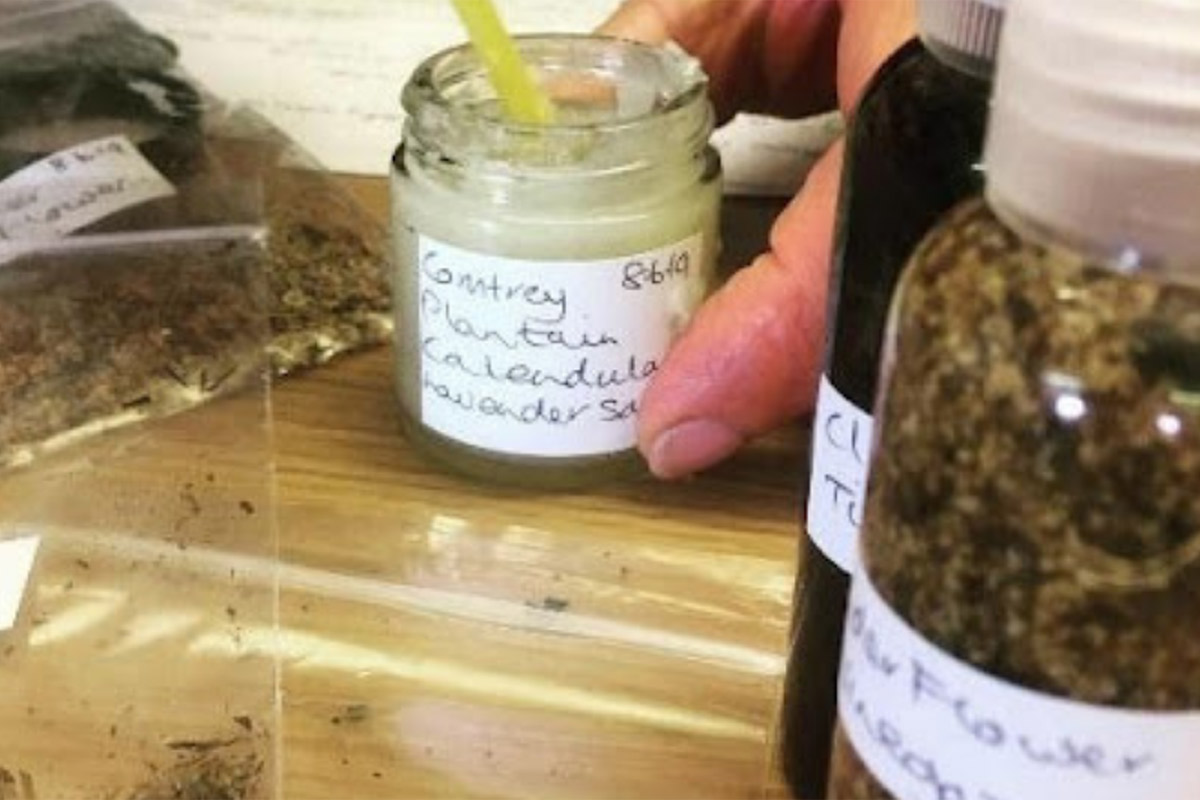
- Tinctures – Plant extracts in alcohol (though not ideal for livestock)
- Vinegar extractions – I prefer using apple cider vinegar (ACV) — it has its own health benefits and avoids alcohol entirely
- Dried plants – Think nettle hay (once common!), rich in nutrients
- Infusions or “herbal tea” – Strong brews can be drenched or added to water
- Feed additions – Mix in dried herbs during rationing
3. Topical Use: Oils, Balms & Salves
Medicinal plants can also be:
- Infused in oils to make healing balms or salves
- Made into sprays or pour-ons for wound care or skin health
- Used as compresses or washes on minor wounds or infections
Used this way, herbs act as barriers, anti-inflammatories, and immune support — especially helpful when animals are under stress or injury.
The Natural Pharmacy at Your Feet
With the right knowledge, the plants around us become tools in our natural pharmacy. Used safely and mindfully, herbs can:
- Support gut health and digestion
- Help manage parasite loads
- Reduce reliance on antibiotics or chemicals
- Boost immune resilience across the flock or herd
The more we integrate plants into our farming systems, the less we need to rely on treatments in the first place.
Ready to Explore More?
If you’re curious to go deeper, keep your eye out for more upcoming webinars and resources through WHAg.
Herbal medicine is a practical, affordable, and regenerative approach to whole farm health — and it’s something any farmer can begin exploring, one plant at a time.
See you in the field (or the hedgerow).
Warmly,
Kate
About the author
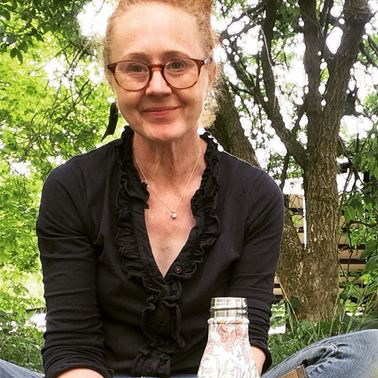
Kate Scott BSc is a medical herbalist, agricultural consultant, and shepherdess with a heritage rooted in generations of herbalists and drovers. She works as a training provider for Whole Health Agriculture. and runs Roundhill Agricultural Consultancy and The Drover’s Daughter, where she combines her expertise in herbal medicine with hands-on farming. She also researches sustainable farming methods and creates botanical products using sheep’s milk and wild plants.
Learn more about Kate on our team page and check out The Drover’s Daughter for more herbal and farming insights from Kate.
Stay Connected to the Future of Healthy Farming
Our newsletter brings you real farmer stories, views and news of our latest training and events, plus on-farm tips and insights.