
Just a Fluke: How Good Grazing Management Transformed Our Liver
By Meg | Family Farmer, Animal Welfare Advocate, Conservationist
Why We Rethought Routine Flukicide Use
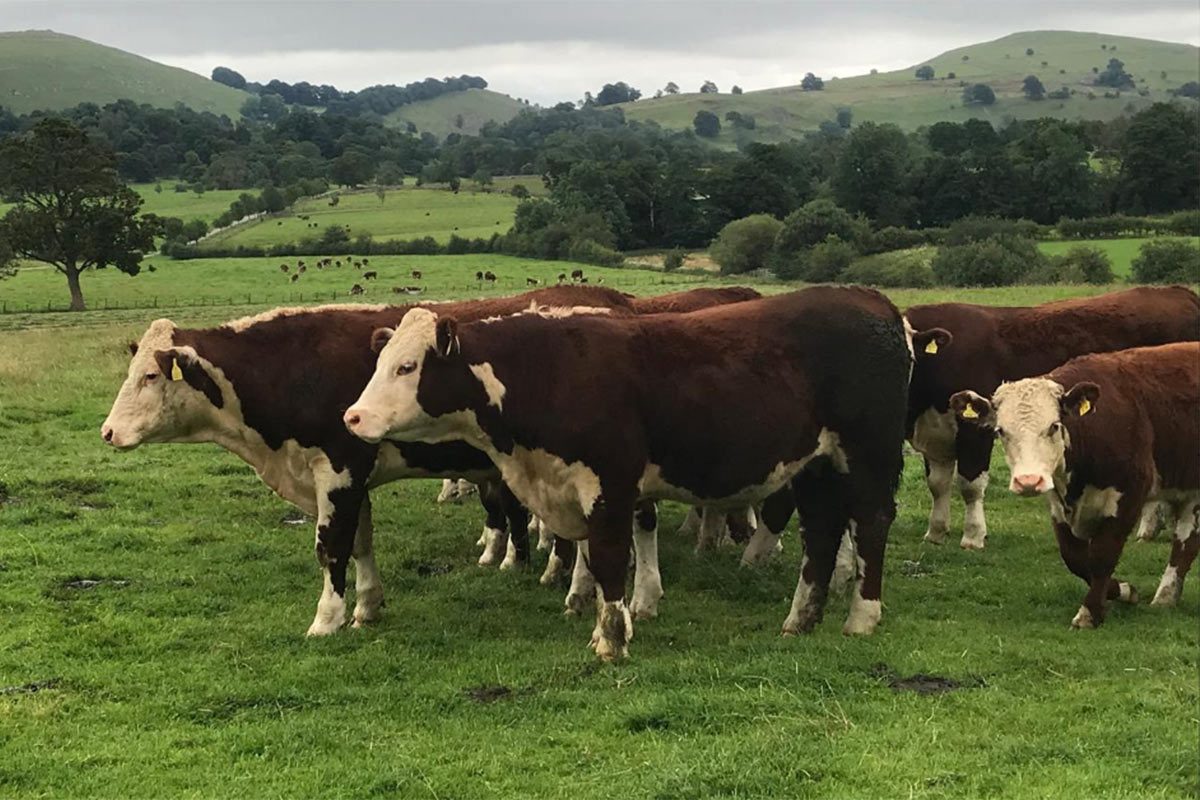
When my husband and I took over the running of our farm on the Staffordshire/Derbyshire border, we inherited more than just beautiful river meadows and a herd of cattle—we inherited a problem. Flicking through the animal health records, a pattern jumped out: regular flukicide treatments, year in and year out.
Alongside these records sat stern letters from our organic certifying body, flagging up our high reliance on chemicals—especially those not in line with organic standards. Something had to change.
Understanding Our Landscape
Our farm lies along the River Dove. It’s rich in wildlife and biodiversity, especially in the low-lying floodplain meadows. These areas are prone to repeated flooding, holding moisture long after rain due to their heavy clay soils—great in a drought, a challenge in a deluge.
But these damp patches weren’t just paradise for wading birds like snipe and curlew—they were the perfect breeding ground for water snails, the intermediate host of the liver fluke parasite.
What is Liver Fluke—and Why It’s Hard to Detect
Liver fluke is a parasitic flatworm that damages the liver, causing weight loss, anaemia, and in some cases, death. It’s a major economic burden on the farming industry—but here’s the catch: it’s incredibly hard to spot without lab testing or post-mortem results.
That’s how we knew we had a fluke problem. Abattoir reports kept coming back with mature fluke in the liver.
A Common-Sense Solution
Vet advice? Ramp up the flukicide use.
Our response? Absolutely not.
We decided to take a different approach. Instead of treating the problem with routine chemicals, we addressed the conditions that allowed fluke to thrive.
Step One: Rethink Grazing
Fluke larvae need wet vegetation. Snails need standing water. So we fenced off the boggiest fields and kept cattle out of the snail zone. Simple.
And it worked.
That autumn, slaughterhouse results started to come back with a new message: No active liver fluke. Some animals still showed old liver scarring, but many were completely clear.
Step Two: Follow Nature’s Lead
The results from blood and faecal tests confirmed it—our cattle were free from fluke. The wettest meadows were rested. The cows had clean pasture and moved frequently. No stress, no chemical cocktails.
Clean Grazing and Animal Resilience
We’d love to say that was the end of the story—but farming rarely offers such neat conclusions.
After a hot, dry summer (bad for snails, great for us), we were hit by nine months of relentless rain.
Predictably, the fluke showed signs of creeping back in a handful of cattle. But here’s the surprising part: only a few from the same group were affected, and all were in equally good condition.
Could Some Animals Be Naturally Resistant?
Despite liver fluke showing up in post-mortems, those cattle still hit impressive carcass grades. They were healthy, strong, and showed no outward signs of illness.
This raised an important question: What if fluke only becomes a problem when livestock are under stress or pushed too hard by our systems?
Low Stress, High Welfare: Our New Norm
Our cattle graze clean, rested ground. They live in established social groups. They aren’t over-handled, overstocked, or routinely medicated. And the results are telling.
Not only has liver fluke become a rare visitor, but we’ve also eliminated the need for other wormers entirely. Our faecal egg counts and bloods confirm it—we’re managing parasites without the chemical war.
So why isn’t this kind of system-wide thinking standard advice for organic farms?
Rumen Fluke: The Uninvited Hitchhiker
Interestingly, while liver fluke numbers dropped, another species—rumen fluke—seems to be a permanent resident.
We discovered them by chance. They aren’t checked in abattoirs like livers are, and there’s little solid evidence they’re harmful. Our vets still recommended treatment. We declined.
Why? Because the animals are thriving. Fat, glossy, and growing like weeds on 100% grass. Their carcasses consistently hit R/O grades with excellent fat cover. If rumen fluke is holding them back, we certainly can’t tell.
What if We’re Chasing the Wrong Target?
Maybe it’s time we stopped trying to eradicate every parasite and started looking at the bigger picture. Balance, not elimination, might be the goal.
When cattle are well-fed, stress-free, and allowed to live as cattle should, maybe they can handle a few invisible hitchhikers.
Reclaiming the Farm-Health Conversation
Handing out chemical derogations shouldn’t be the go-to solution when there’s an imbalance. Let’s shift the narrative. Let’s treat the farm system, not just the symptoms.
And sometimes, the fix is as simple as putting up a fence.

About the author
Meg is a passionate farmer’s wife with a sharp eye for animal welfare, a deep love of the land, and a healthy scepticism of quick-fix farming. She’s committed to raising resilient livestock, protecting the environment, and producing wholesome food from the ground up.
Stay Connected to the Future of Healthy Farming
Our newsletter brings you real farmer stories, views and news of our latest training and events, plus on-farm tips and insights.