
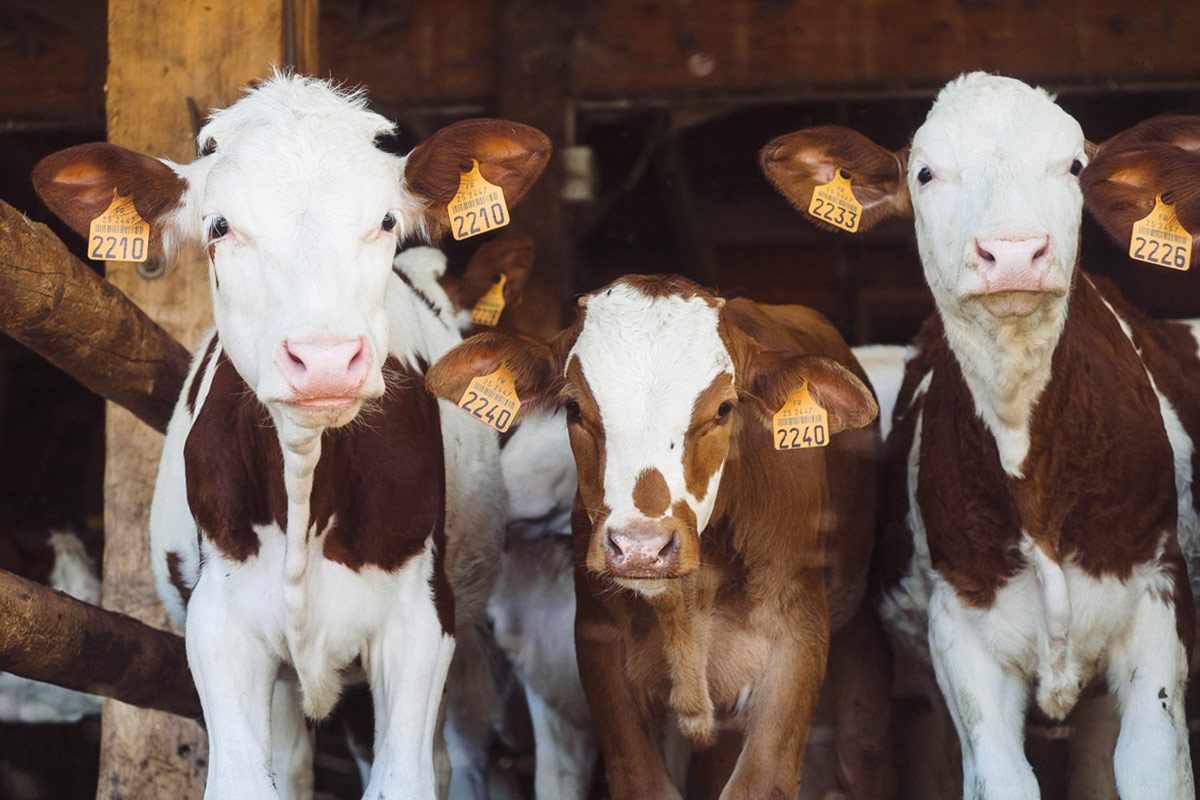
Weaning, a Holistic Approach to Reducing Stress for Cows & Calves
By Meg Walters, Organic beef farmer
Weaning time on the farm—those two weeks each year that test both livestock and farmer resilience. While most of the year is a pleasure, with only the occasional fence fiasco or calving conundrum, weaning presents unique challenges. Over time, we’ve embraced a holistic approach to weaning, aiming to minimize stress and promote well-being for our cattle and ourselves.
The Necessity of Weaning in Regenerative Farming
In our regenerative farming system, we calve in blocks—six weeks in winter and six weeks in spring. This schedule necessitates separating last year’s calves from their mothers as the new calving season approaches. While some smaller operations allow calves to remain with their mothers until the next calf arrives, we’ve found this can lead to issues such as reduced colostrum availability for newborns and decreased fertility in cows. Therefore, weaning becomes a necessary step to ensure the health and productivity of our herd.
Implementing a Soft Weaning Strategy
To ease the transition, we’ve adopted a ‘soft wean’ approach:
- Creep Gate Introduction: Calves access a separate area through a creep gate, allowing them to become accustomed to separation gradually.
- Dietary Adjustments: Cows receive hay to reduce protein intake and decrease milk production, while calves are offered richer silage to compensate for the loss of milk nutrients.
- Gradual Separation: Over a week, we increase the duration of separation until calves are fully weaned. Learn more about holistic approaches to reduce weaning stress.
Despite these efforts, some distress signals, such as vocalizations and mild scours, persisted, indicating room for improvement.
Integrating Homeopathic Remedies for Holistic Animal Health
Having completed a farm homeopathy course, we decided to incorporate homeopathic remedies to address separation anxiety:
- Ignatia: Added to water troughs to alleviate separation anxiety in both cows and calves.
- Pulsatilla: Introduced to calves’ water to mitigate feelings of abandonment.
These remedies led to a noticeable reduction in distress behaviors, though some challenges remained. Interestingly, applying an abrupt weaning method with homeopathic support in our sheep resulted in a silent, stress-free weaning process, underscoring the potential of holistic approaches in livestock management.
Embracing Holistic Practices in Regenerative Farming
Our experiences highlight the benefits of integrating holistic practices into weaning procedures. By combining gradual separation techniques with homeopathic remedies, we’ve observed reduced stress and improved health outcomes in our livestock. This approach aligns with regenerative farming principles, promoting holistic animal health and overall farm sustainability.

About the author
Meg Walters is an organic beef farmer in the Peak District with a passion for conservation, biodiversity, education, food provenance, sustainability, and animal welfare. Her hands-on experience informs her holistic approach to livestock management.
Stay Connected to the Future of Healthy Farming
Our newsletter brings you real farmer stories, views and news of our latest training and events, plus on-farm tips and insights.