
Why Soil Health Is the Foundation of Human Health: Rethinking Farming from the Ground Up
By Mark Measures, organic farm consultant
“The health of soil, plant, animal and man is one and indivisible.”
Lady Eve Balfour
That quote may sound radical in today’s world, where human health is treated as a tradable commodity, but what does it really mean in practice?
When Lady Eve Balfour coined the phrase in the 1950s, she was standing on the shoulders of giants—scientists like McCarrison, Steiner, and Howard—who, in the early 20th century, revived ancient wisdom going back to Hippocrates and even Moses. They believed that the health of humans depended directly on the health of the food we eat—and, crucially, how it is produced.
At the time, this thinking flew in the face of mainstream agricultural pragmatism. The focus was on cheap calories: carbohydrates and proteins delivered via high doses of soluble N, P, and K fertilisers. No concern for finite resources. No thought for pollution, nutrient efficiency, or food quality. No recognition that humans are just one part of a deeply interconnected system, where soil is the hub of everything.
Soil at the Heart of Health
In recent years, alongside WHAg chairman Lawrence Woodward, leading organic grower Iain Tolhurst, and a group of forward-thinking organic farmers, I contributed to an Organic Research Centre project focused on health—especially farmers’ perspectives on what “health” actually means.
The consensus across three countries? It starts with soil.
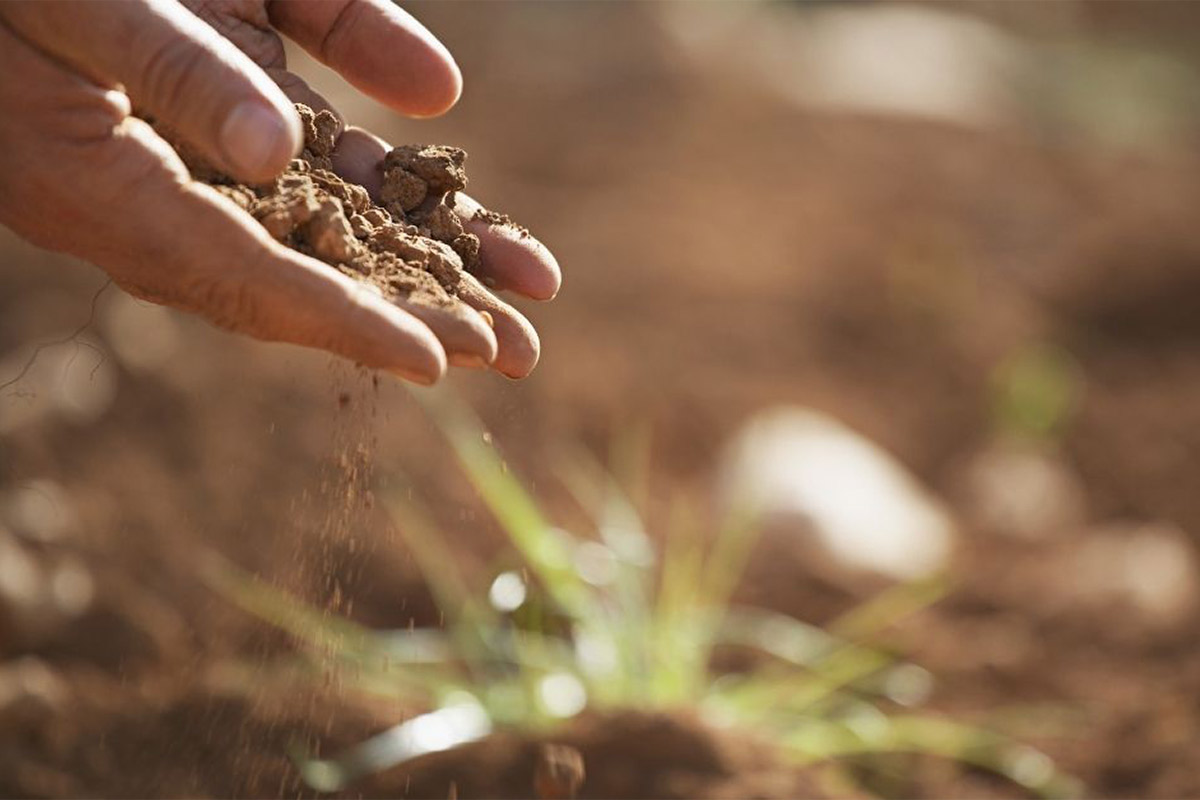
But not just any soil. We’re talking about living, biologically active soil. Soil that does more than anchor plants. Soil that breathes, digests, transforms, and communicates with the entire farm ecosystem—plant, animal, and human alike.
Soil and Nutrient Cycles
Healthy soil provides essential macronutrients—carbon, nitrogen, phosphorus, potassium, magnesium, and sulfur—via a complex dance involving soil particles, organic matter, microbes, and plant roots. These are absorbed through the soil solution and supported by plant-soil biological associations.
But it’s not just about nutrients.
Food quality is profoundly influenced by how we manage the soil. The post-war focus on chemical inputs and yield has led to a decline in nutritional density. This “dilution effect” means today’s food often contains fewer beneficial compounds, even when it looks plentiful.
Recent evidence from the FiBL Conference in Switzerland shows that organic soil management leads to:
- Higher antioxidant activity
- Lower levels of pesticides, cadmium, and nitrates
- Stronger immune responses in animals fed organic diets
Trace elements like copper, selenium, and cobalt—vital to plant, animal, and human health—depend on active soil biology. Yet conventional inputs like glyphosate (Roundup) suppress microbial activity, blocking access to these nutrients.
The goal should be clear: let the soil do the work, with fertilisers used sparingly, only to address genuine deficiencies and always in forms that avoid pollution or imbalance.
Biodiversity Below and Above
Soil and Food Quality: More Than Just Nutrients
Poorly managed soils can cause harm—via pathogens, heavy metals, or excess nitrates (especially in winter salads). But healthy soils actively suppress disease, detoxify contaminants, and support subtle qualities of food that go far beyond calories or chemistry.
We’re talking about:
- “Life force” or vitality—that hard-to-define quality of truly fresh, healthy food.
- Taste and terroir—distinctive flavour profiles rooted in place and soil.
- Biological effects—like antioxidant levels, gut health, and immune function.
And let’s not forget the psychological and even spiritual effects. Many animals (and humans) instinctively eat soil to access minerals or detoxify. And working with soil—especially for young people in crisis—can be deeply therapeutic.
The Soil System: Built to Last
Healthy soils are built on:
- Balanced macro and trace nutrients
- Robust biological activity
- Adequate organic matter, sourced from compost, crop residues, and manures
- Smart recycling of nutrients, including the long-overdue return of humanure
This is the foundation of truly sustainable farming. Not a system of dependency on external inputs, but one rooted in recycling, biology, and diversity.
There are countless examples of long-term organic systems that maintain soil fertility with minimal outside inputs. Some soils can provide nutrients indefinitely—if we treat them with respect and work with their biology, not against it.
A Welcome (and Overdue) Awakening
The recent surge of interest in soil—from chefs to policymakers to farmers themselves—is encouraging. But it’s late in the day. And much of the discussion is riddled with hype, misinformation, and half-truths.
So let’s return to that original quote:
“The health of soil, plant, animal and man is one and indivisible.”
This isn’t just philosophy—it’s a systems-based truth. Nutrients and energy cycle between soil, crops, animals, and humans. Managing a farm for health means:
- Recycling residues and manures
- Maximising biological activity
- Supporting crop diversity
- Minimising inputs and pollution
Only then can we produce food that supports resilient, thriving ecosystems—from the ground up.
- The pros and cons and differences in soil analysis and what it means for management
https://info925698.wixsite.com/mark-measures/post/2019/01/28/soil-analysis-and-management-final-report - The potential of carbon sequestration in soil in relation to climate change
https://info925698.wixsite.com/mark-measures/post/carbon-sequestration-soil-management-and-climate-change - Soil nutrition in organic vegetable production
https://info925698.wixsite.com/mark-measures/post/managing-soil-nutrients-in-organic-vegetable-production - The controversy over ploughing the soil
https://info925698.wixsite.com/mark-measures/post/2020/05/13/to-plough-or-not-to-plough
About the author
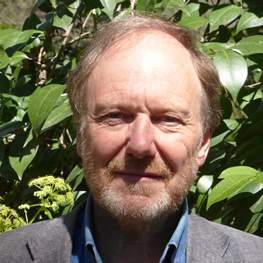
Mark Measures is widely regarded as the leading authority on organic farm consultancy in the UK. As the first farm manager at Elm Farm Research Centre, he went on to establish and lead its Organic Advisory Service for 15 years, supporting the conversion of many of the country’s most successful organic farms. He also founded and ran the Institute of Organic Training and Advice and co-edits the influential Organic Farm Management Handbook.
Mark and his wife Joy farm 150 acres organically in Shropshire—a farm untouched by conventional agriculture. Their land supports exceptional biodiversity, with over 120 plant species in its wildflower meadows, and is home to rare breed Hereford cattle and pedigree Clun Forest and Kerry Hill sheep.
Stay Connected to the Future of Healthy Farming
Our newsletter brings you real farmer stories, views and news of our latest training and events, plus on-farm tips and insights.