
Three Essential Oils for Therapeutic Use on Farm Animals
Anti-inflammatory, anti-bacterial, antiviral and antifungal properties
There are many uses for essential oils and some of the most useful ones are not too expensive. The following three plant oils offer a range of therapeutic uses:
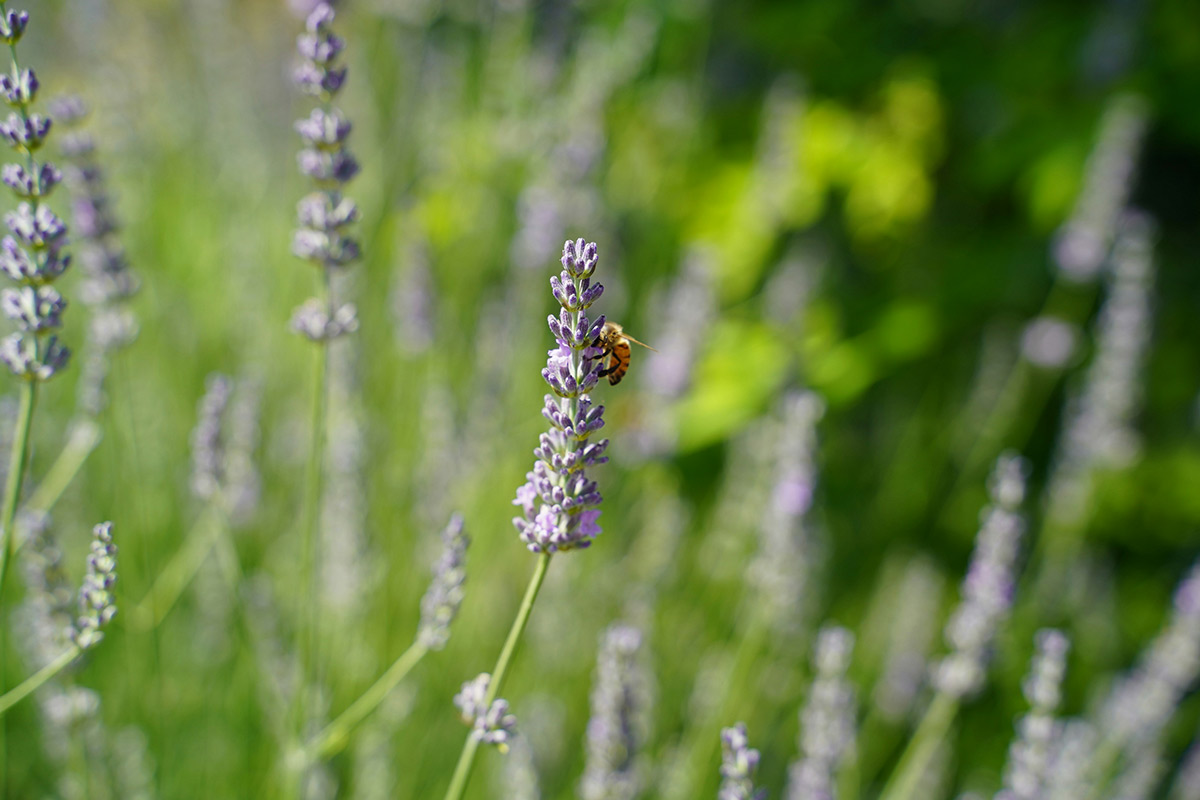
Lavender - Lavendula officinalis or L.angustifolia
Of all the oils, Lavender has to be the most versatile with properties ranging from pain relieving, calming, antiseptic, anti inflammatory, antiviral, bactericidal, insect repellant, sedative and anthelmintic.
TeaTree - Melaleuca alternifolia
This oil is active against all three categories of infectious organisms: bacteria, fungi and viruses. It is also a very powerful immuno-stimulant increasing the body’s ability to respond to infection.
Eucalyptus Radiata or E.Globulusa
Eucalyptus is best known as a decongestant but its most important qualities are that of a very powerful bactericidal and anti-viral. Jean Valnet gave precise data on the bactericidal properties of Eucalyptus. He noted that a spray containing 2% essential oil of Eucalyptus will kill 70% of staphylococci in the air.
Uses
All three of these oils can be used in water on wounds to avoid infection, in sprays to repel insects, in salves or balms to soothe mastitis or infected feet or skin.
Application
It is important to ensure that if used as a spray, the essential oils must not go near the eyes as this will sting and burn. Treat your essential oils like conventional medicines – out of reach of children in the cool and the dark. If you keep them in an airtight box (to stop your milk tasting of Tea Tree) in the fridge, it will double their shelf-life to one year and thus their cost effectiveness.
The usual dilution is 2% for a spray and 3.5% to 5% in creams, balms and oils. Some oils can be applied neat – usually the above 3 can be applied neat. However, youngstock need a lower dilution. Just as you would not use essential oils neat on a baby, think of your youngstock in the same way.
Safety
NB Be aware that TeaTree can be toxic to small, furry farm animals such as the farm cat. Please do not apply any essential oils neat to your cats or dogs and seek qualified advice when choosing essential oils to deter fleas and parasites.